

The Emotional Side of Learning Italian Abroad (And How to Stay Motivated)
Moving to Italy to study Italian is exciting. You imagine sunshine, espresso in the morning, conversations in cafés, and rapid language progress. And yes, that happens. But there’s another side too. Learning a language abroad can stir up unexpected emotions: self-doubt, fatigue, homesickness, and moments where everything feels overwhelming.
If you’re experiencing culture shock, you’re not failing. You’re adapting. Understanding the emotional side of immersion helps you stay grounded and keep moving forward, even on the difficult days.
Is It Normal to Feel Stressed Learning a Language Abroad?
Absolutely. Learning a new language while navigating a new country requires constant mental effort. You’re translating, interpreting social cues, adjusting to different routines, and often living far from familiar support systems.
Investopedia describes culture shock as a normal response to unfamiliar environments, often unfolding in stages, from excitement to frustration and eventually adaptation.
That mid-stage frustration can show up as language anxiety, especially when you’re speaking in public. Suddenly, ordering coffee feels like a performance. But here’s the truth: mistakes are not signs of weakness; they’re proof you’re trying.
How Long Does Culture Shock Last?
It varies from person to person, but most students move through adjustment phases over weeks or months. The first few weeks may feel like a whirlwind. After that, small frustrations can surface, including misunderstandings, bureaucracy, and different social norms.
Over time, familiarity builds. You recognize street names. You understand more without translating. You begin to feel at home.
In Salerno, for example, daily life moves at a distinct rhythm. The promenade along the Lungomare, afternoon pauses, and local traditions create a pace that’s different from larger cities. Once students adapt to that rhythm, stress often decreases significantly.
In Napoli, on the other hand, the city is engaging, the people are so friendly that you can always find someone to talk to, and you can experience tradition in each picturesque city corner.
What Helps With Homesickness While Studying Abroad?
Homesickness is common and human. The American Psychological Association notes that homesickness is a normal emotional reaction to separation and change.
Practical strategies that help include:
- Creating small routines (morning walk, same café, study time)
- Staying physically active
- Limiting excessive scrolling of home-based social media
- Building local friendships
- Participating in community activities
At Accademia Italiana Salerno and Napoli, structured Italian school leisure activities provide a connection outside the classroom, whether it’s a cultural outing, cooking session, or seaside walk in Salerno and Napoli. Connection reduces homesickness. Isolation increases it.

How Do I Build Confidence Speaking Italian?
Confidence grows through repetition and exposure, not perfection.
Speaking confidence improves when you:
- Accept small mistakes as progress
- Practice short daily conversations
- Focus on communication, not grammar
- Celebrate understanding before fluency
- Speak with locals outside structured lessons
Enrolling in immersive Italian language courses creates structured daily speaking practice that gradually reduces language anxiety. Confidence doesn’t appear suddenly. It builds one conversation at a time.
How Can I Stay Motivated to Learn Italian Daily?
Motivation is easier to maintain when your learning connects to real life.
Try these strategies:
- Set weekly mini-goals (order entirely in Italian, ask for directions)
- Track new words you actually use
- Reflect on progress every two weeks
- Engage with local culture (markets, music, events)
- Remember why you started
Motivation is emotional fuel. When you remind yourself why you chose to study abroad, to grow, connect, and experience something new, your daily effort feels meaningful.
If your goal is to immerse yourself and grow both linguistically and personally, it may be time to learn Italian in Italy through structured, supportive programs.
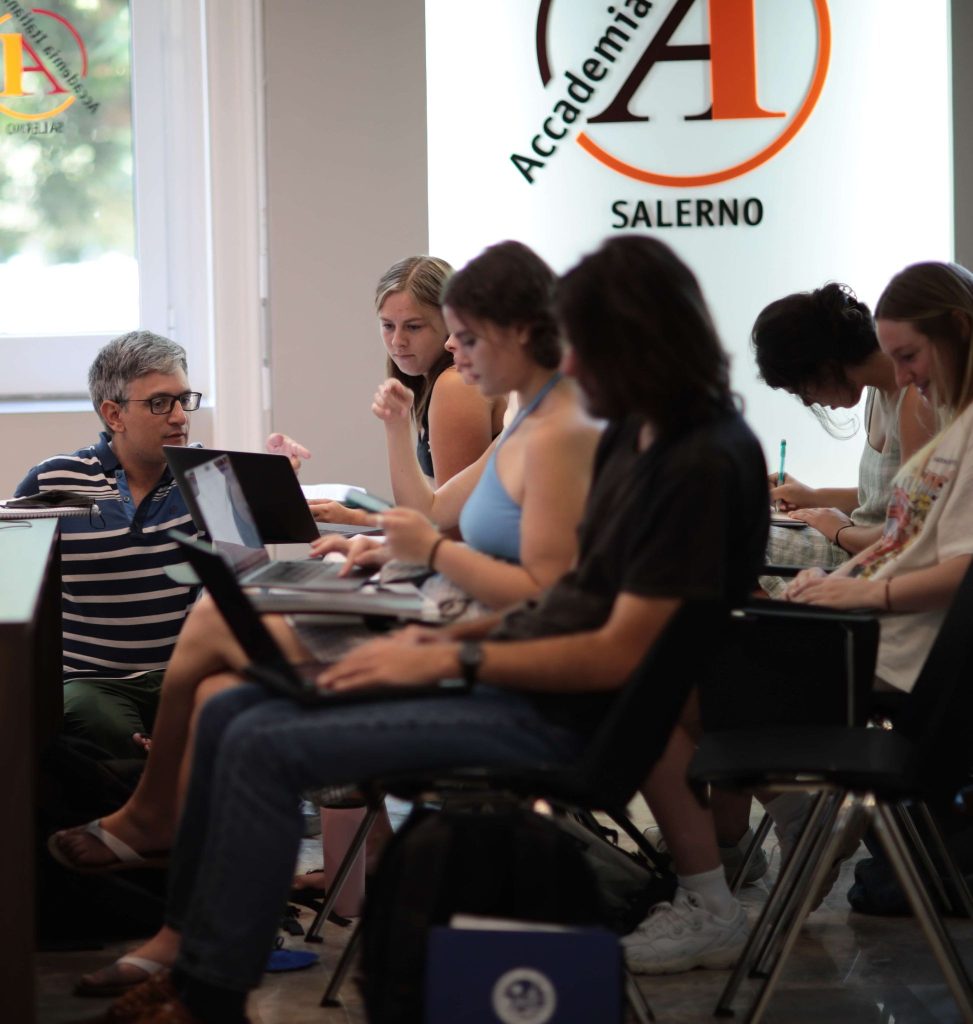
The Emotional Growth Behind Language Learning
Learning Italian abroad isn’t just about vocabulary lists. It’s about resilience. It’s about navigating discomfort and emerging stronger. It’s about building speaking confidence in real-world settings, even when your voice shakes.
Culture shock fades. Motivation returns. Homesickness softens. And one day, you realize you’re thinking in Italian.
That moment doesn’t happen by accident. It happens because you stayed.
Would you like to learn Italian in Italy?
Contact AIS for more information.
Key Takeaways
- Culture shock is a normal part of studying Italian abroad.
- Homesickness and language anxiety are common and temporary.
- Speaking confidence builds through consistent daily practice.
- Motivation strengthens when language connects to real-life experiences.
- Structured immersion and community engagement accelerate emotional adjustment.
FAQ: Learning Italian Abroad
Is it normal to feel stressed learning a language abroad?
Yes. Language anxiety and adjustment stress are common parts of cultural immersion.
How do I build confidence speaking Italian?
Practice daily, accept mistakes, engage with locals, and focus on communication over perfection.
How long does culture shock last?
It varies, but most students adapt over weeks or months as familiarity increases.
What helps with homesickness while studying abroad?
Routine, social connection, physical activity, and participation in local activities reduce homesickness.
How can I stay motivated to learn Italian daily?
Set small goals, track progress, engage with culture, and remember your long-term purpose.