

How Cultural Context Helps You Learn Italian Faster
Overview
Learning Italian progresses more quickly when the language becomes an integral part of daily life. In Salerno and Napoli, cultural immersion, through conversations, routines, and local traditions, helps students learn Italian naturally, confidently, and with less pressure.
There’s a moment many language learners recognize: the first time you stop translating in your head and simply understand. That moment doesn’t usually happen in a classroom; it happens while ordering coffee, asking for directions, or chatting with someone at a local market. This is where cultural immersion truly changes how you learn Italian.
In Salerno and Napoli, language learning blends seamlessly into everyday life. The city’s slower pace, strong sense of community, and openness to conversation create an environment where practicing Italian feels natural rather than intimidating. Instead of studying Italian as a subject, you begin living it, one interaction at a time.
What Is Cultural Immersion?
Cultural immersion means learning a language by being surrounded by it—hearing it, speaking it, and responding to it throughout your day. Rather than separating lessons from life, immersion allows language to unfold naturally through real experiences.
In Salerno and Napoli, immersion doesn’t require effort or performance. Locals greet you warmly, conversations happen organically, and small interactions, such as buying bread, greeting neighbours, or sharing a laugh, become meaningful learning moments. This constant exposure helps learners absorb Italian in context, not in isolation.
Does Immersion Help You Learn Italian Faster?
Yes, and not just because you hear more Italian, but because you use it. Research from the University of Cambridge shows that learners retain language more effectively when it’s tied to real-world meaning and emotional connection.
In Salerno and Napoli, students quickly become comfortable speaking, even with a limited vocabulary. Mistakes are met with patience, encouragement, and often a smile. These low-pressure interactions build confidence, helping learners speak more freely and progress faster than they might expect.
Why Salerno and Napoli Feel Different from Other Italian Cities
Many students are wondering whether to learn Italian in Salerno or Napoli. Both cities offer cultural experiences that feel personal and accessible. Unlike larger cities, where life moves quickly and conversations can feel transactional, they encourage connection. People take time to talk. Shopkeepers remember faces. Neighbours exchange greetings.
This matters for language immersion. When people slow down for you, explain things, and invite conversation, learning feels collaborative rather than overwhelming. The Southern Italian character of warm, expressive, and community-driven people creates an ideal setting for learners who want steady progress without pressure.
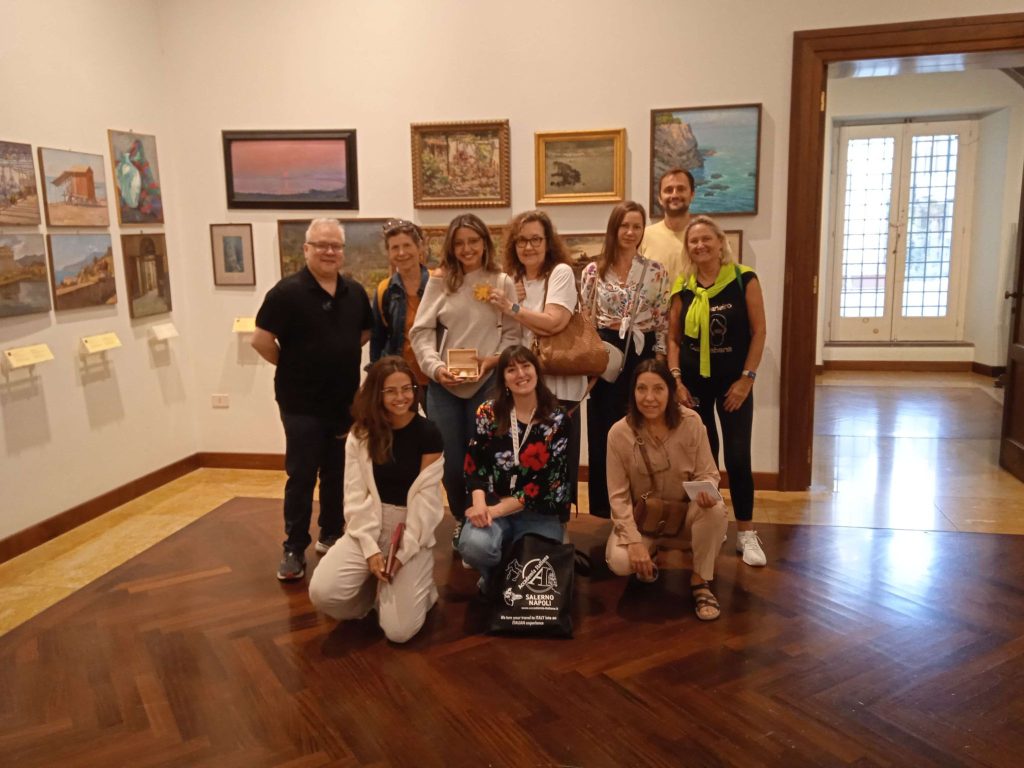
How Everyday Life in Salerno Becomes Your Classroom
In Salerno and Napoli, Italian surrounds you from morning to night. Ordering espresso, listening to conversations along the Lungomare, and navigating local markets, all of it reinforces what you learn in class.
You begin to notice how tone, gestures, and expressions shape meaning. Italian becomes less about rules and more about rhythm and context. These everyday moments help learners develop a natural feel for the language that textbooks alone can’t provide.
Salerno vs. Naples: Two Immersion Experiences, Two Energies
Both Salerno and Naples offer rich immersion opportunities, but they feel very different. To learn Italian in Naples is fast-paced and full of energy, an incredible experience for eager and energetic learners seeking constant stimulation.
By contrast, this location offers space to breathe. Conversations are clearer, interactions are more patient, and the environment is easier to navigate. Salerno offers a gentler, calmer entry point into immersion.
What Are the Best Cultural Activities for Language Learners?
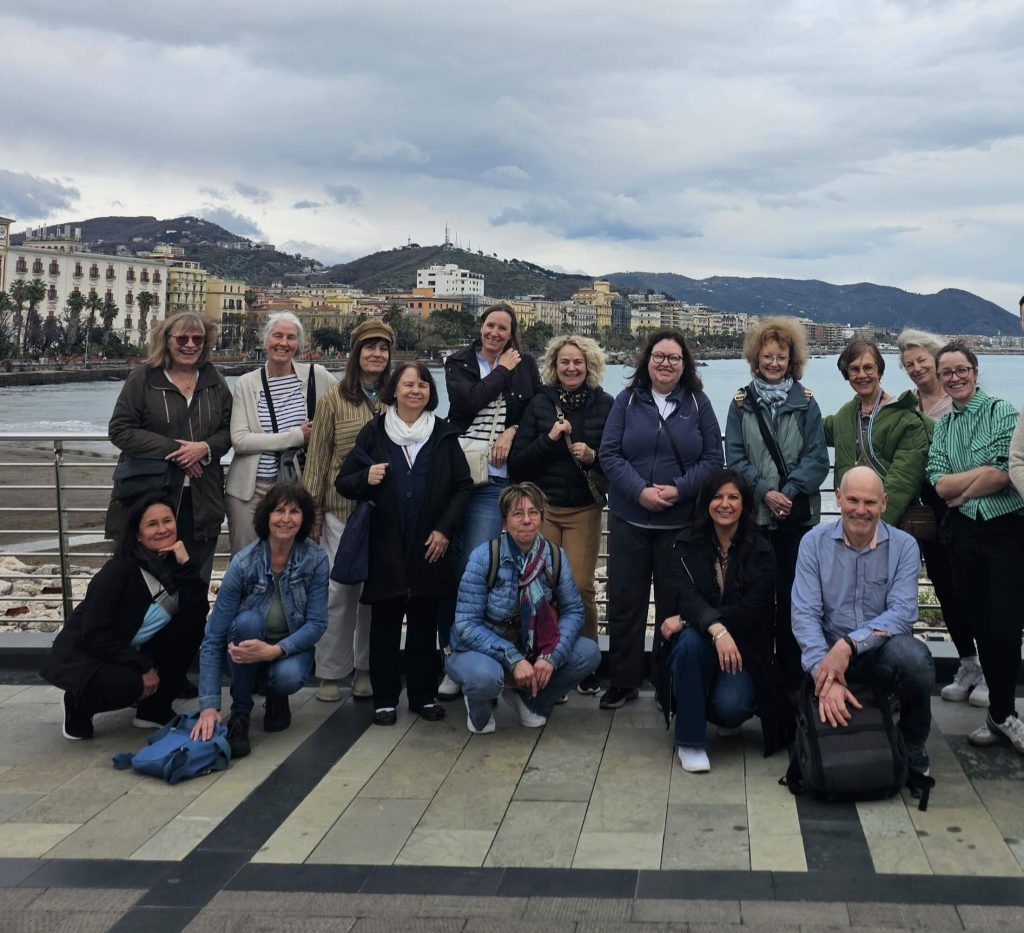
The most effective activities are those that encourage participation rather than observation. Cooking classes, local events, guided walks, and shared meals all create opportunities to listen, respond, and connect.
According to the Council of Europe, language learning is strongest when cultural understanding develops alongside communication skills. In Salerno, simple routines, like greeting the same barista each morning, become powerful learning tools.
Learning Italian Through Real Connection
Choosing Italian language courses that emphasize immersion means choosing to learn through real connection. Both in Salerno and Napoli, the cities support your learning quietly but constantly through their people, their pace, and their everyday rituals. If you want to learn Italian faster while feeling welcomed and supported, they offer an experience that’s as enriching as it is effective.
Are you looking for comprehensive Italian language courses?
Contact Accademia Italiana Salerno and Napoli for more information.
Key Takeaways
- Cultural immersion makes Italian feel natural, not academic
- Salerno offers a calm, welcoming environment for language learners
- Daily interactions reinforce classroom learning
- Learning happens faster when language is tied to real life
FAQ: Cultural Immersion and Learning Italian
What is cultural immersion?
Learning a language by engaging fully with the culture and daily life where it’s spoken.
Does immersion help you learn Italian faster?
Yes. Immersion builds confidence, reinforces learning, and helps learners think in Italian.
What are the best cultural activities for language learners?
Activities that encourage interaction, such as local events, shared meals, and everyday conversations.